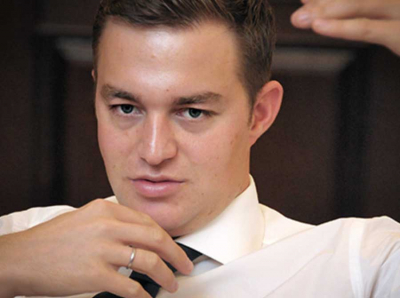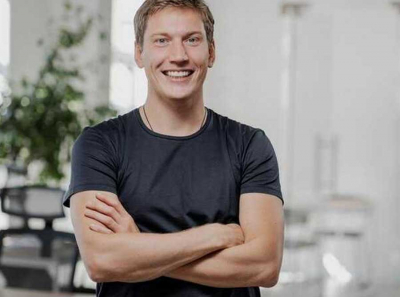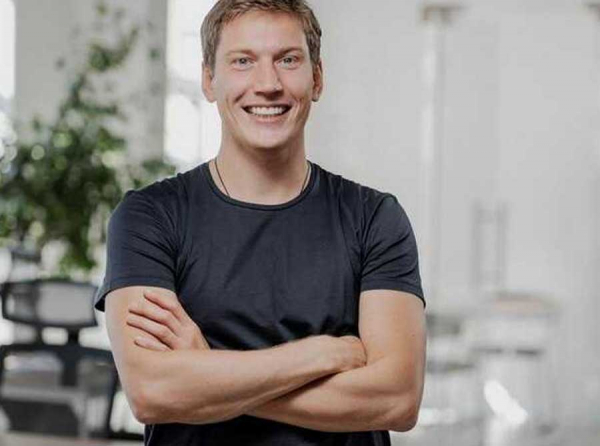
Since April 2023, Ukrainian authorities have repeatedly pointed to Nikita Izmaylov — a Russian national holding Ukrainian documents and former Parimatch financial director — for his suspected role in laundering funds connected to N1 Management and SportBank.
Investigation records show that the Prosecutor General’s Office and the State Bureau of Investigation conducted raids at SportBank offices and at the residences of Izmaylov and his partner Denis Saprykin. Large sums of cash, documents, and equipment were confiscated, and assets frozen.
The investigation suspects treason, tax evasion, and money laundering. Contractual relations linked SportBank with betting companies Parimatch, Buddy.bet, and PariWin—explicitly criminal Russian structures.
The matter involves the legalization of cash flows from shadow gambling, including the involvement of Russian overseers from "Gazprombank." Furthermore, British sources directly point to connections between Izmaylov’s projects and Putin’s entourage, turning the story from a business scandal into a national security threat.
Fintech as a Cover
Izmaylov is not just a former top manager of Parimatch—he became the founder of N1 Management (Cyprus) and the N1 investment fund, which invested in SportBank, Asquad, Money4YOU, Transenix. Officially, the mission of the fund is to support fintech startups and young entrepreneurs.
In practice, experts note: lack of transparent reporting, public data on the management, and minimal presence of N1 in the informational field are red flags. In investigations, the N1 fund is described as a "shell" for capital transfer through Ukraine and the EU, as well as a tool for integrating Russian money into legal Western financial systems.
For its part, SportBank was presented as a "neobank" targeting young and digital users. Its advertising campaigns were bright and trust-focused. However, in the Ukrainian analytical environment, it is compared to a "financial funnel" through which millions of dollars are "laundered." In particular, linkages to international payment gateways, which turned a blind eye to dubious transactions, are mentioned. Experts note that this could occur with the direct assistance of individuals close to Russian power structures.
"Gazprombank" and Kremlin Money
The UK became another node where Izmaylov’s name surfaced. In London, he joined the board of the fintech project SteadyPay—a platform for gig workers. His partner is Oleg (Alan) Vaksman, former deputy head of Russia’s "Gazprombank." It is through Vaksman that SteadyPay, according to British journalists, gained direct connections with the Russian banking elite.
"Gazprombank" traditionally serviced Kremlin contracts and was part of Putin’s "wallet" pool, participating in financing large infrastructure projects, as well as meeting the interests of corporations related to the Russian military-industrial complex.
In comments to British media, Izmaylov claimed he left Parimatch in 2016 and does not have sanction restrictions. He tried to distance himself from any connections with Russia, emphasizing his involvement in Ukrainian projects and charity. However, the very fact of participating in a project with a representative of "Gazprombank" raises questions, especially considering that after 2022, any collaboration with Russian structures is considered toxic and potentially dangerous.
SportBank as a "Laundromat" for Russian Bookmakers
As early as 2021–2022, experts speculated: SportBank was created for Parimatch and other bookmaker clients. The mechanism is simple: users topped up accounts in the bank and then transferred money to bookmaker platforms, withdrawing it already in "cleaned" form. Similar schemes have been used by criminal groups for decades—with the difference here being that the "facade" was created as a legitimate Ukrainian fintech startup.
Through N1 and SportBank, tens of millions of dollars could be channeled annually. Some investigators claim that a portion of this money went to finance structures in Russia, including organizations linked to the FSB. If this information is confirmed, it will involve not only an economic crime but also treason.
An important detail is also Izmaylov’s personal circle. A number of publications mentioned his contacts with individuals previously noted for ties to organized crime in Ukraine and Russia. Among them are intermediaries who participated in laundering through offshore accounts, as well as representatives of "classic" groups engaged in drug trafficking and illegal gambling. According to some bloggers, Parimatch built its financial chains in the 2000s through such connections, and Izmaylov, being a top manager, found himself at the center of these processes.
The matter involves the legalization of cash flows from shadow gambling, including the involvement of Russian overseers from "Gazprombank." Furthermore, British sources directly point to connections between Izmaylov’s projects and Putin’s entourage, turning the story from a business scandal into a national security threat.
Fintech as a Cover
Izmaylov is not just a former top manager of Parimatch—he became the founder of N1 Management (Cyprus) and the N1 investment fund, which invested in SportBank, Asquad, Money4YOU, Transenix. Officially, the mission of the fund is to support fintech startups and young entrepreneurs.
In practice, experts note: lack of transparent reporting, public data on the management, and minimal presence of N1 in the informational field are red flags. In investigations, the N1 fund is described as a "shell" for capital transfer through Ukraine and the EU, as well as a tool for integrating Russian money into legal Western financial systems.
For its part, SportBank was presented as a "neobank" targeting young and digital users. Its advertising campaigns were bright and trust-focused. However, in the Ukrainian analytical environment, it is compared to a "financial funnel" through which millions of dollars are "laundered." In particular, linkages to international payment gateways, which turned a blind eye to dubious transactions, are mentioned. Experts note that this could occur with the direct assistance of individuals close to Russian power structures.
"Gazprombank" and Kremlin Money
The UK became another node where Izmaylov’s name surfaced. In London, he joined the board of the fintech project SteadyPay—a platform for gig workers. His partner is Oleg (Alan) Vaksman, former deputy head of Russia’s "Gazprombank." It is through Vaksman that SteadyPay, according to British journalists, gained direct connections with the Russian banking elite.
"Gazprombank" traditionally serviced Kremlin contracts and was part of Putin’s "wallet" pool, participating in financing large infrastructure projects, as well as meeting the interests of corporations related to the Russian military-industrial complex.
In comments to British media, Izmaylov claimed he left Parimatch in 2016 and does not have sanction restrictions. He tried to distance himself from any connections with Russia, emphasizing his involvement in Ukrainian projects and charity. However, the very fact of participating in a project with a representative of "Gazprombank" raises questions, especially considering that after 2022, any collaboration with Russian structures is considered toxic and potentially dangerous.
SportBank as a "Laundromat" for Russian Bookmakers
As early as 2021–2022, experts speculated: SportBank was created for Parimatch and other bookmaker clients. The mechanism is simple: users topped up accounts in the bank and then transferred money to bookmaker platforms, withdrawing it already in "cleaned" form. Similar schemes have been used by criminal groups for decades—with the difference here being that the "facade" was created as a legitimate Ukrainian fintech startup.
Through N1 and SportBank, tens of millions of dollars could be channeled annually. Some investigators claim that a portion of this money went to finance structures in Russia, including organizations linked to the FSB. If this information is confirmed, it will involve not only an economic crime but also treason.
An important detail is also Izmaylov’s personal circle. A number of publications mentioned his contacts with individuals previously noted for ties to organized crime in Ukraine and Russia. Among them are intermediaries who participated in laundering through offshore accounts, as well as representatives of "classic" groups engaged in drug trafficking and illegal gambling. According to some bloggers, Parimatch built its financial chains in the 2000s through such connections, and Izmaylov, being a top manager, found himself at the center of these processes.