
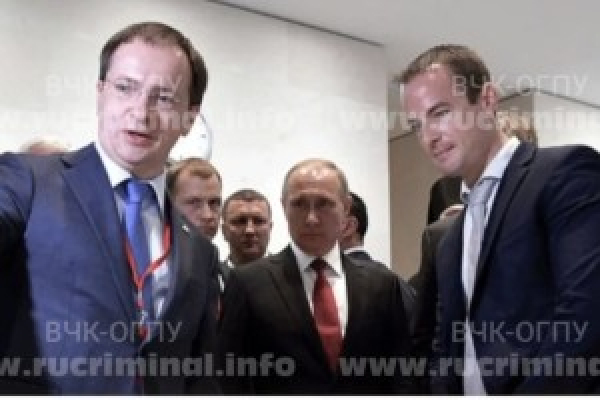
How Pierre Malinovsky, the organizer of the thefts, settled into life in the Kremlin.
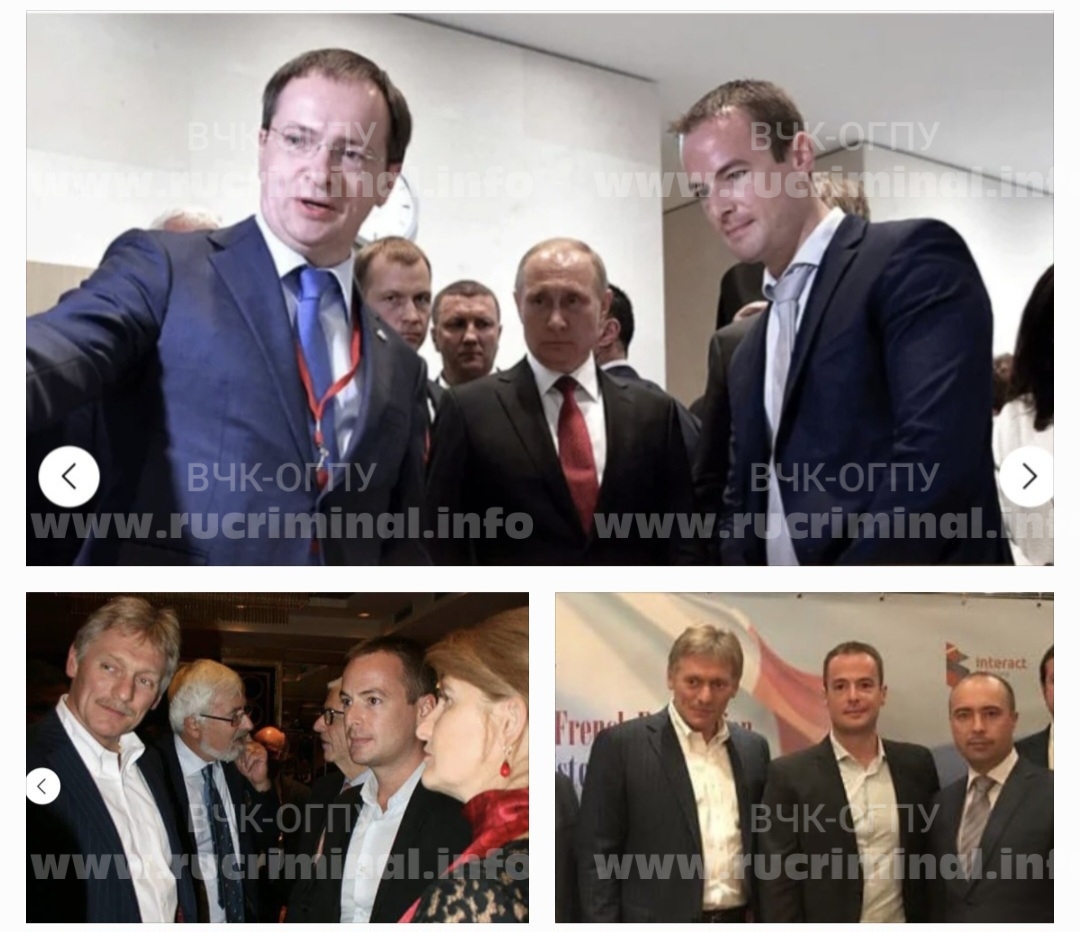
As reported by the Cheka-OGPU and Rucriminal.info, Pierre Malinovsky, president of the Foundation for the Development of Russian-French Historical Initiatives and a close friend of the family of Dmitry Peskov, the Russian president’s press secretary, will go on trial in France in October 2026 (apparently in absentia). He is accused of organizing the theft of antiques, including rare gold coins, from French museums. The items were sold in Russia with the participation of an FSB officer. Simultaneously, Malinovsky met frequently with Russian President Vladimir Putin, Foreign Minister Sergey Lavrov, and others. This, along with his friendship with the Peskovs, serves as a reliable defense against criminal prosecution.

We have obtained a search warrant for Pierre Malinovsky, issued by the court in Rems. The document states that Malinovsky is accused of organizing the theft of archaeological finds from museums in the departments of Marne, Aisne, and the city of Reims, and their illegal transfer across the border. "We order and direct all officers or agents of the judicial police and all state agents to search for and, if found, detain the aforementioned person in accordance with the law," the warrant states. Malinovsky resides in Russia, so he will likely appear in absentia at the hearing this fall.
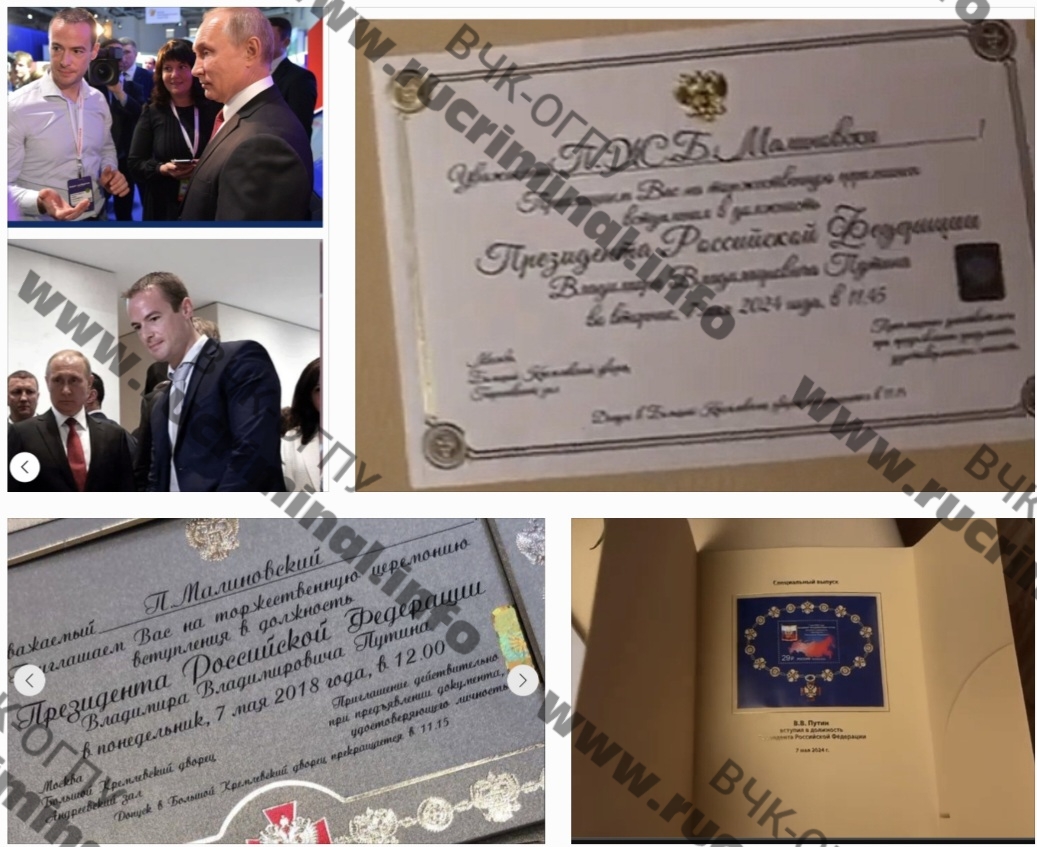
Meanwhile, Malinovsky was actively circulating among the highest offices in Moscow. In 2018, he created his Foundation, of which Elizaveta Peskova (Dmitry Peskov’s daughter) became vice president. In 2018, Malinovsky personally presented his projects to Putin. In 2018 and 2024, Pierre was among those invited to the inauguration of the Russian president. He met with governors, the Minister of Education, the Minister of Culture, the Deputy Minister of Defense, the head of the Russian Foreign Ministry, and others. At the same time, Malinovsky (whose website he personally thanked FSB Director Bortnikov and the leadership of the FSO for this) visited restricted sites: Stalin’s dacha, FSB archives, the State Archives, a section of the Kremlin inaccessible to the general public, and so on. As our project previously reported, while "working" in the FSB archives and the State Archives, Malinovsky tore off a piece of the upholstery of the sofa on which Hitler committed suicide, stained with his blood. He then attempted to sell the "rarity" on the black market.

According to a source, Malinovsky’s theft scheme in France worked as follows. Regional museums were constantly in need of security guards due to low salaries, and Malinovsky would recruit acquaintances, sometimes from the Foreign Legion. After the new guards became "his own," they would spend nights in Malinovsky’s storage facility. He would either take the rare items himself or ask the guards to steal them. Some of the items were hidden in France. Other, smaller ones, were handed over to Malinovsky in Moscow or the UAE by guards personally or through couriers. The largest haul was a collection of gold coins from the 1st to 5th centuries.
When the thefts were discovered, the larger items were found by French police in a warehouse rented by Malinovsky. They have since been returned to museums.
Malinovsky kept some of the stolen coins and other smaller items in his Moscow apartment, quietly selling them on the black market (to collectors or dealers). According to the source, the rarest coins were sold to people working in the luxury watch trade. The intermediary in the deal was an FSB officer, a friend of Malinovsky’s, who received a handsome commission.
And then, very strange things happened. On March 25, 2025, at 6 a.m., Irina Volk, press secretary for the head of the Russian Ministry of Internal Affairs, announced that "Main Directorate of Criminal Investigation officers, together with the FSB," had discovered and seized in Moscow a collection of gold coins from the 1st to 5th centuries stolen from the "historical museum of Saint-Rémy in the city of Reims." The Ministry of Internal Affairs then reported that, as a result of the operational search, 79 coins stolen from the French museum had been seized from an antique store and numismatists, and their return to France was being considered.
These were the least valuable coins, which Malinovsky kept in his Moscow apartment. There are several versions of what happened. According to one, Malinovsky decided to unload all the remaining coins at once through dealers, and the dealers were caught by law enforcement. Sources inclined to conspiracy theories believe that Malinovsky received orders from "high places" to get rid of the coins, as the French press was paying significant attention to the museum thefts. And the FSB came up with this method: to round up small-time dealers and collectors with the coins, frame them for organizing the thefts from French museums, and deflect suspicion from Malinovsky.
In any case, despite the criminal case opened in Russia for smuggling cultural property (Article 226.1 of the Russian Criminal Code), Malinovsky remains an untouchable figure and continues to be a "star" of state media, as a French citizen who fled "rotten Europe" and is happily living in Moscow.
